
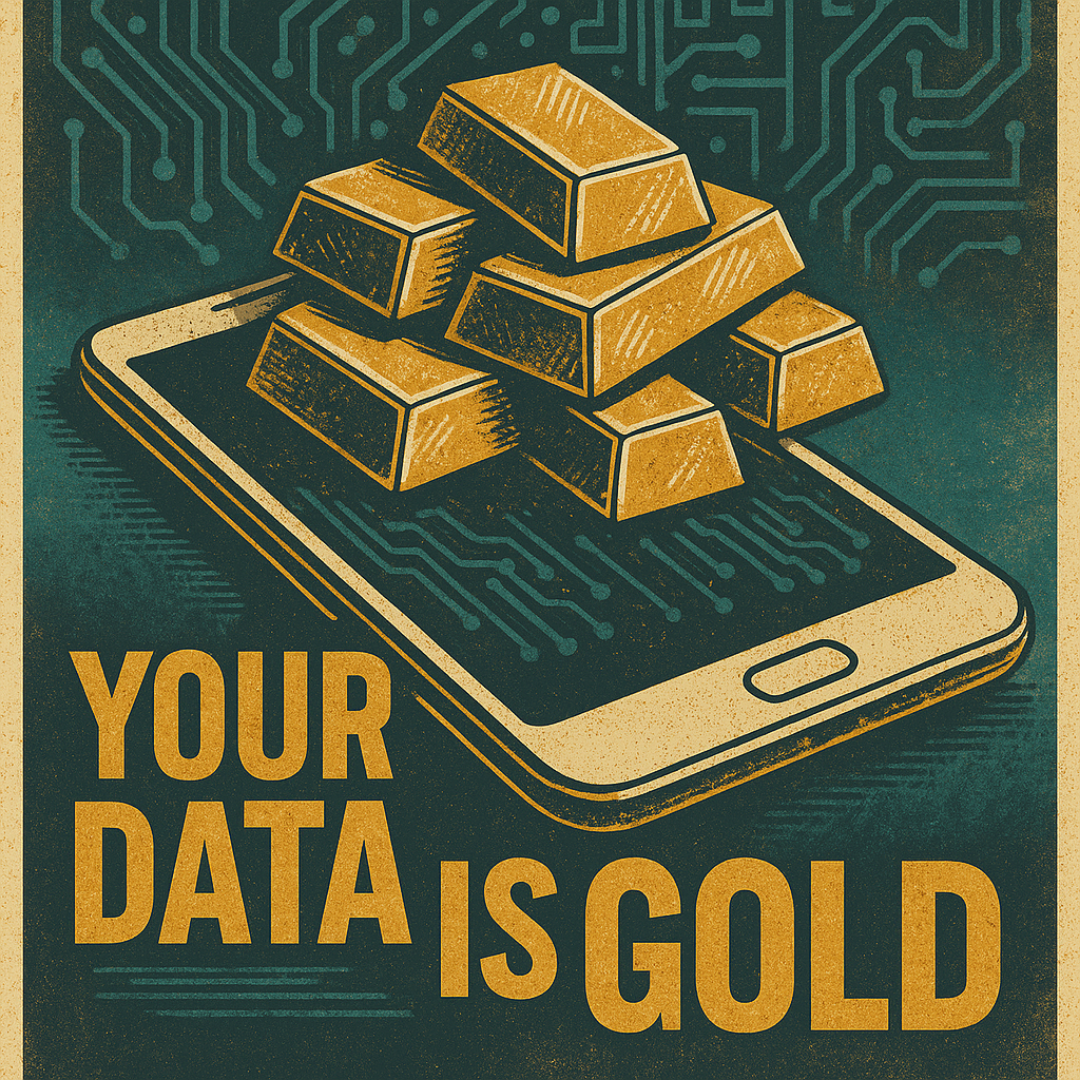
We have all heard the phrase “data is the new gold.” It is catchy, but a little tired at this point.
Here is what is more accurate: data is leverage. Not just a shiny asset you store in a vault. It’s a tool that shapes behavior, influences decisions, and creates power imbalances between those who hold it and those who unknowingly give it away. And in today’s hyper-connected world, the line between your digital footprint and your actual identity is thinner than ever.
That’s why data protection laws like GDPR in Europe matter so much. They help level that imbalance, giving individuals control over their own personal information. But here’s where things get concerning:
While Europe leads the way, the United States is in la-la land trying to limit free speech. Data as Leverage, Not Just Gold. Gold, as we know it, just sits there with value that is inert. Data, on the other hand, is *active leverage*. It can be mined, packaged, sold, weaponized, and used to predict, influence, or manipulate our choices. Think about it, the way social media tailors your feed to keep you scrolling, how advertising platforms track your online habits to sell you things you do not really need, and even the rise of deepfakes with synthetic voices that can impersonate you or your loved ones. This is not just on TV; this is in real life. Your data fuels the modern economy. That means your privacy, your autonomy, and even your sense of self is ALL increasingly on the line.
In 2018, the European Union implemented the General Data Protection Regulation (GDPR), which is currently the world’s most comprehensive data privacy law. Here’s what it gives Europeans:
✅ The right to know what data is collected
✅ The right to access, correct, or delete it
✅ The requirement that businesses must obtain *explicit consent* before collecting sensitive information
✅ The power to hold companies accountable, with fines that can reach millions of euros for violations
This framework recognizes and puts people first. They consider your personal data to be more than just information; it’s part of who we are. Meanwhile, in the United States, there is not a single national data privacy law that comes close to GDPR. Europe has had GDPR in place for the last six years, and Americans’ data remains largely exposed, governed only by a patchwork of state laws, weak sectoral protections, and outdated federal statutes. Some states, like California, have made progress by implementing the California Consumer Privacy Act, or CCPA. But even CCPA falls short of GDPR’s comprehensive protections, and only applies to residents of California.
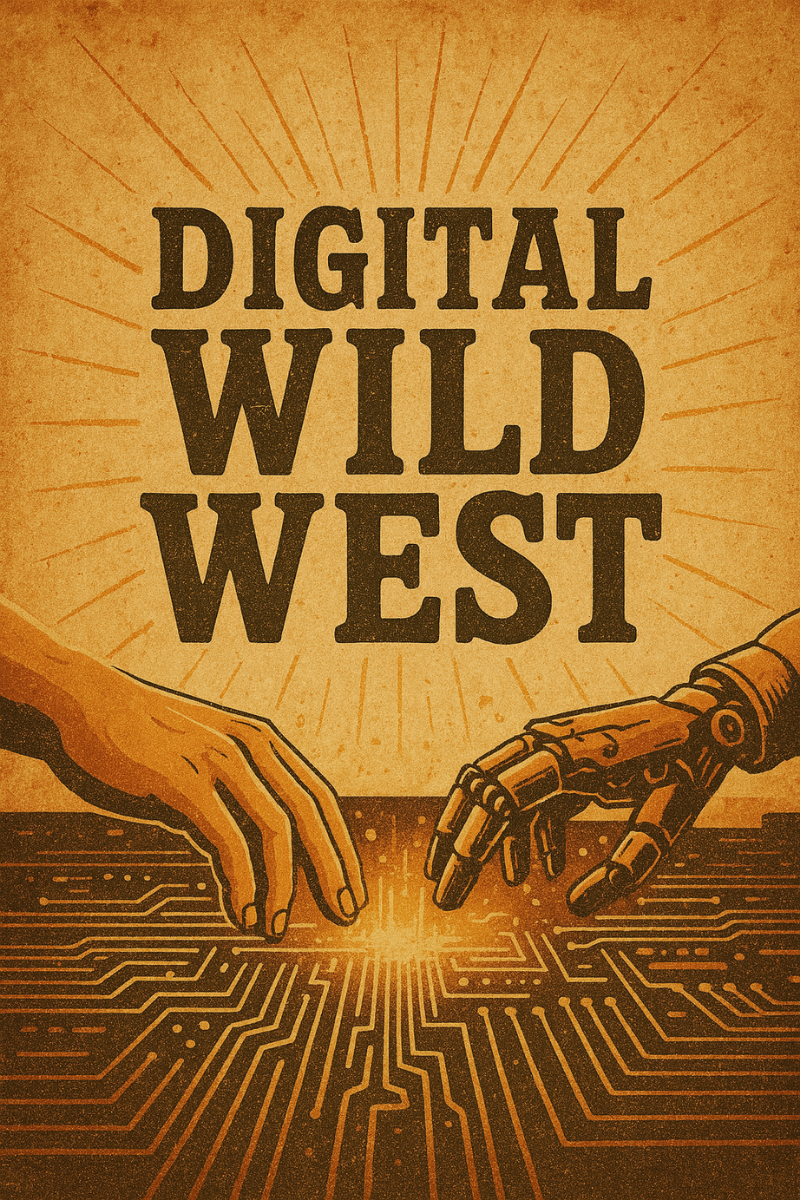
Americans’ data is generally controlled with inconsistent rules, limited enforcement, leaving consumers’ data vulnerable. It is almost as if this is the digital Wild West, where companies freely harvest, sell, and exploit with little oversight. This lack of federal protection is becoming more urgent, given the number of hacks and ransom attacks. With the explosion of AI (Artificial Intelligence), where synthetic media deepfakes, voice cloning, and algorithmic profiling of the American people’s personal data is being scooped up and monetized faster than lawmakers can keep up.
There are a few things you probably never considered to be a digital gold mine:
- Biometric data (faces, fingerprints, voices) is increasingly used by private companies without clear consent requirements.
- Children’s data is widely collected and sold by apps and platforms
- Location tracking* (even in the Bible app)
These spaces allow businesses and bad actors to know exactly where people like you go, to shop, to work, and to have fun, even with a sneaky link. It is disappointing that the greatest country in the world does not have a strong national standard for our safety. Americans are less safe in this regard because they simply do not have the same rights as Europeans when it comes to controlling their digital information.
Sure, Congress has made a few attempts to pass something like the American Data Privacy and Protection Act (ADPPA), but let’s be real: nothing has passed. Why you ask, well it’s because big tech companies have thrown their lobbying dollars into the mix, stalling progress and keeping this issue stuck in political gridlock, especially around whether a federal law should override state laws. The uncomfortable truth is that the U.S. is falling behind on protecting one of its citizens’ most valuable assets, their personal data. If data is leverage, that leverage today sits squarely in the hands of corporations, platforms, and data brokers—not individuals. And that’s backwards. Americans deserve laws that reflect the reality we’re all living in right now.
Just imagine a framework where:
Consent is clear and informed
You have the right to delete your data
Companies face real consequences for misuse
Biometric likenesses, voices, and identities are fully protected from exploitation
But until lawmakers stop playing in the faces of the American people and implement strong national protections for both individuals and businesses, we’re left to fend for ourselves.
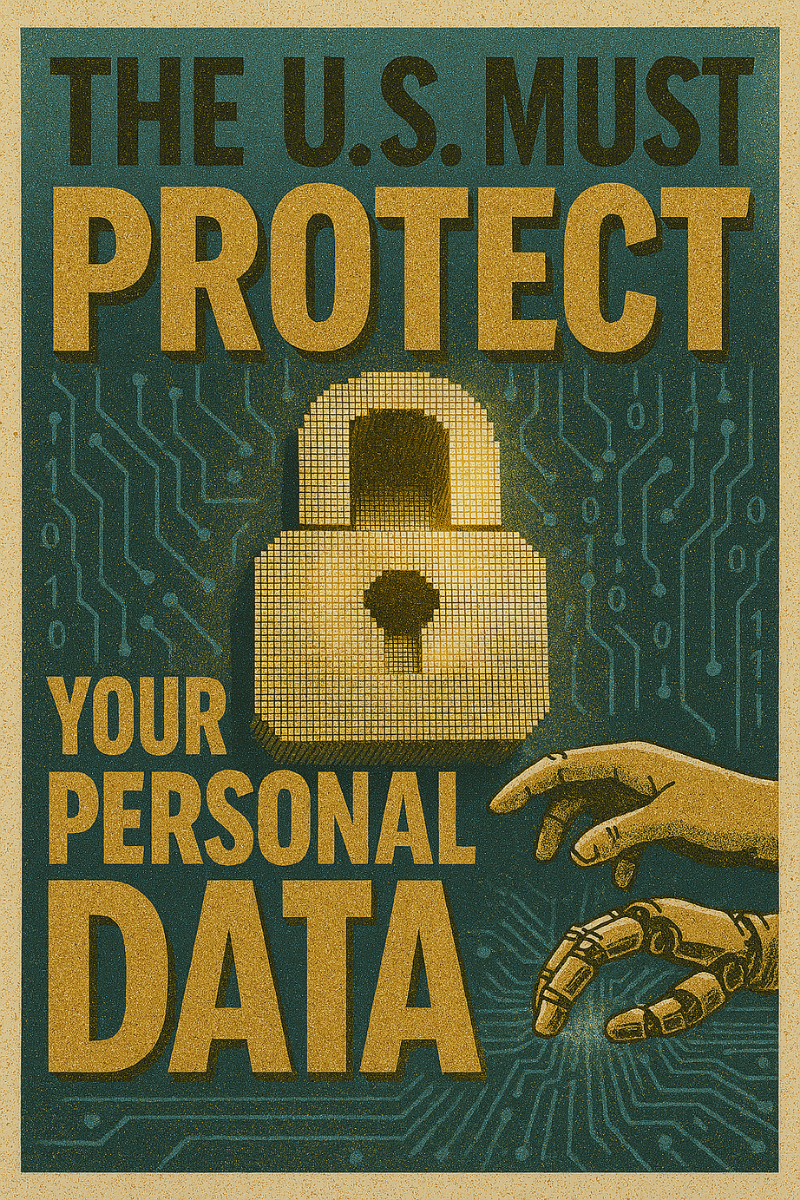
👉🏽 This isn’t just about privacy, it’s about dignity. It’s about power. It’s about trust.
When companies respect people’s data and are transparent about how they collect, store, and use it, they’re not just ticking a legal box. They’re building lasting trust.
Your data isn’t just gold.
It’s leverage.
It’s power.
And most importantly, it’s yours.
The United States has a long way to go to ensure its citizens can reclaim control over their digital selves. But that does not mean we can not start by demanding better protections from both individuals and businesses. Your personal data deserves to be handled with dignity and care.
Bottom line: Even though there is no perfect protection, you can take steps right now to limit your exposure, reduce risk, and protect your digital self.
💡 Steps to Protect Your Personal Data
✅ 1. Know what you’re sharing and where
Review the apps and services you use regularly.
Check what personal data they’re collecting: location, contacts, biometrics, etc.
If you don’t *need* an app anymore, delete it completely, not just from your home screen.
✅ 2. Lock down your accounts with strong authentication
Use long, unique passwords for every account (consider a password manager).
Wherever possible, enable **two-factor authentication (2FA)** — ideally using an authenticator app (not just text message codes).
✅ 3. Limit third-party access
Don’t log in to apps or sites using “Login with Google/Facebook” unless absolutely necessary.
Review and remove unused third-party connections in your Google, Facebook, or Apple accounts.
✅ 4. Keep software and devices updated
Updates often include security patches—so update your phone, laptop, apps, and browser regularly.
✅ 5. Think before you click
Watch out for phishing emails and suspicious links — this is still one of the most common ways scammers steal data.
If you get a strange request for info or a too-good-to-be-true offer, pause and verify before taking action.
✅ 6. Reduce digital footprints where possible
Opt out of data brokers (there are services like **DeleteMe** that can help you do this).
Request deletion of old accounts you no longer use (old emails, social networks, etc.).
✅ 7. Check your privacy settings
Social media profiles should always default to **private** unless you have a reason to go public.
Review your ad preferences on platforms like Facebook, Instagram, and Google—they track more than you think.
✅8. Safeguard your sensitive documents
Use secure, encrypted cloud storage or password-protected external drives for sensitive files like IDs, taxes, and financial records.
✅ 9. Protect your biometric data
Be thoughtful about where you upload selfies or use facial recognition (e.g., face filters, apps requesting access to your camera).
Remember: your face, voice, and fingerprints are **irreplaceable personal identifiers**.
✅ 10. Stay informed
Follow trusted sources on privacy and cybersecurity.
Laws and risks evolve quickly. So being aware is half the battle.
Even though there’s no perfect protection, you can take steps right now to limit your exposure, reduce risk, and protect your digital self.
#DataPrivacy #GDPR #DigitalRights #USPrivacyLaw #AIethics #Deepfakes #BiometricData #Compliance #SmallBusinessSecurity #DataProtection
Ready to Take Back Control of Your Data?
Whether you’re running a small business or leading a local agency, your privacy policy shouldn’t be an afterthought—it’s your first line of defense. At CheckPoint Compliance, we help you stay ahead of today’s digital threats with:
✅ Policy & Toolkit Drafting
Custom templates for privacy, AML, and KYC policies that meet evolving standards.
✅ Compliance Assessments
Quick reviews to uncover gaps before regulators (or hackers) do.
✅ Launch & Setup Services
BOI filings, registration support, and more—done right the first time.
👉🏽 Let’s make compliance make sense. Book a consultation today and turn legal jargon into practical protection.

I really wish there was a way to truly clawback some of the info I have online. Nothing is safe anymore.